How to install Wordpress CMS 4.9.6 on Ubuntu 18.04
To install Wordpress CMS 4.9.6 on Ubuntu 18.04
Wordpress is the most powerful and popular content management system (CMS) application. WordPress is a Content Management System, that allows you to create and publish your content on the web. Although it can be used for web publishing and manage content on an intranet or on a single computer.
Prerequisites
Install LAMP(Apache, MariaDB, php7)
In MariaDB (create database and user and give privileges to that user )
Php installation with required following modules
add-apt-repository ppa:ondrej/php
apt-get update
apt-get install php7.0 php7.0-mysql php7.0-curl php7.0-json php7.0-cgi libapache2-mod-php7.0 php7.0-mcrypt php7.0-xmlrpc php7.0-gd php7.0-mbstring php7.0  php7.0-common  php7.0-xmlrpc php7.0-soap  php7.0-xml php7.0-intl
  php7.0-cli  php7.0-ldap php7.0-zip php7.0-readline php7.0-imap php7.0-tidy php7.0-recode php7.0-sq php7.0-intl
Installation
Download a Wordpress CMS package using the following URL
root@linuxhelp1:/home/user1/Downloads# wget https://wordpress.org/latest.zip
--2018-05-24 21:23:12--  https://wordpress.org/latest.zip
Resolving wordpress.org (wordpress.org)... 198.143.164.252
Connecting to wordpress.org (wordpress.org)|198.143.164.252|:443... connected.
HTTP request sent, awaiting response... 200 OK
Length: 9502138 (9.1M) [application/zip]
Saving to: ‘ latest.zip’

latest.zip              100%[==============================> ]   9.06M   668KB/s    in 13s

2018-05-24 21:23:26 (721 KB/s) - ‘ latest.zip’  saved [9502138/9502138]
The downloaded package is a zip file, so unzip the file using the following command
root@linuxhelp1:/home/user1/Downloads# unzip latest.zip

 Archive:  latest.zip
   creating: wordpress/
  inflating: wordpress/xmlrpc.php
  inflating: wordpress/wp-blog-header.php
  inflating: wordpress/readme.html
.
.
  inflating: wordpress/wp-admin/admin-header.php
  inflating: wordpress/wp-admin/post-new.php
  inflating: wordpress/wp-admin/themes.php
  inflating: wordpress/wp-admin/options-reading.php
  inflating: wordpress/wp-trackback.php
  inflating: wordpress/wp-comments-post.php
Move the extracted file into the following path
root@linuxhelp1:/home/user1/Downloads# mv wordpress /var/www/
Switch to the following directory
root@linuxhelp1:/home/user1/Downloads# cd /var/www/
Change the ownership and permission of the file
root@linuxhelp1:/var/www# chown -R www-data.www-data wordpress
root@linuxhelp1:/var/www# chmod -R 775 wordpress
Create a new virtual host configuration for accessing the Wordpress CMS application
root@linuxhelp1:/var/www# vim /etc/apache2/sites-available/wordpress.conf
< VirtualHost *:80>
ServerName www.linuxhelp1.com
DocumentRoot /var/www/wordpress

< Directory /var/www/wordpress>
AllowOverride All
allow from all
< /Directory>

< /VirtualHost>
Enable the site access
root@linuxhelp1:/var/www# a2ensite wordpress.conf
Enabling site wordpress.
To activate the new configuration, you need to run:
systemctl reload apache2
Disable the default access
root@linuxhelp1:/var/www# a2dissite 000-default.conf
Site 000-default disabled.
To activate the new configuration, you need to run:
systemctl reload apache2
Enable the rewrite module
root@www:/var/www# a2enmod rewrite
Enabling module rewrite.
To activate the new configuration, you need to run:
systemctl restart apache2
Restart the apache2 service
root@linuxhelp1:/var/www# systemctl restart apache2
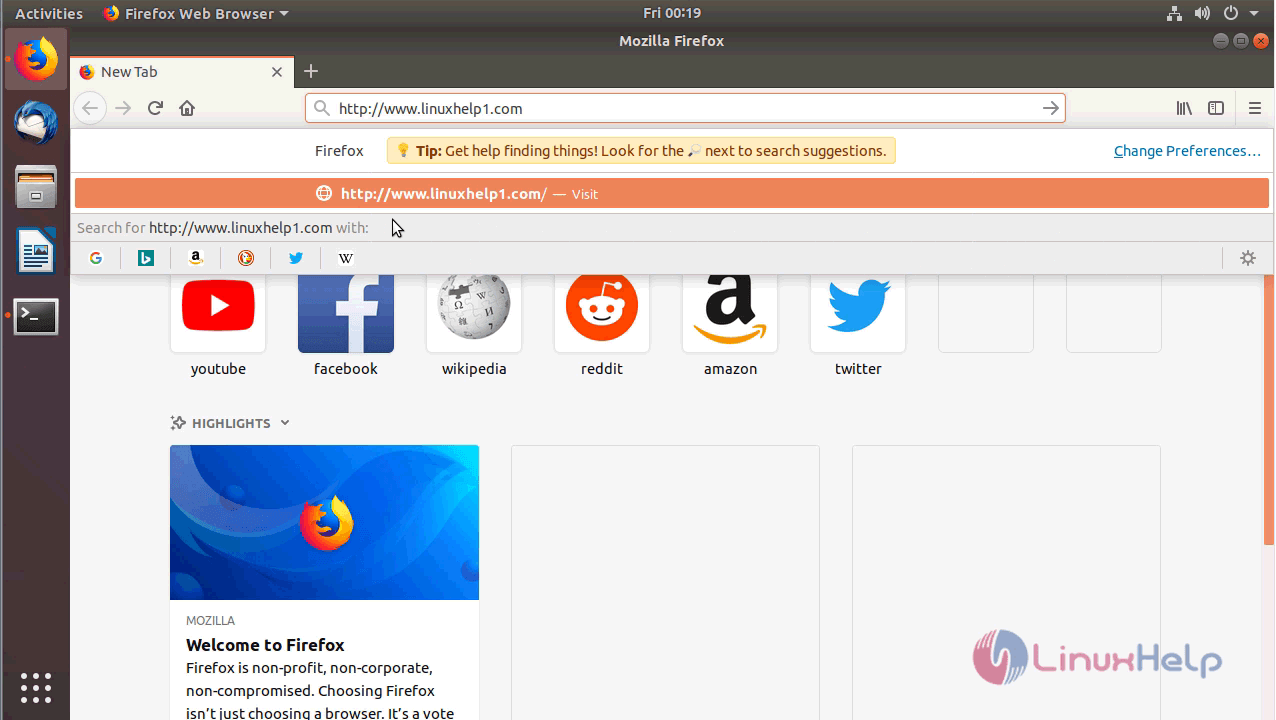
Now you can proceed the further installation and configuration from the browser by navigating to the following URL: http://< ipaddress or domain name
Choose the language for using Wordpress

Configure the database setup

Setup the database details

Run the installation

Configure the site information

After the successful installation, you will see the following page

Log in using the admin user credential

After the successful login, you will see the Dashboard of Wordpress

You can customize your site from the following available options on the left panel

With this, the method to install Wordpress CMS 4.9.6 on Ubuntu 18.04 comes to an end.
Comments ( 0 )
No comments available